The Elusive Agami Heron
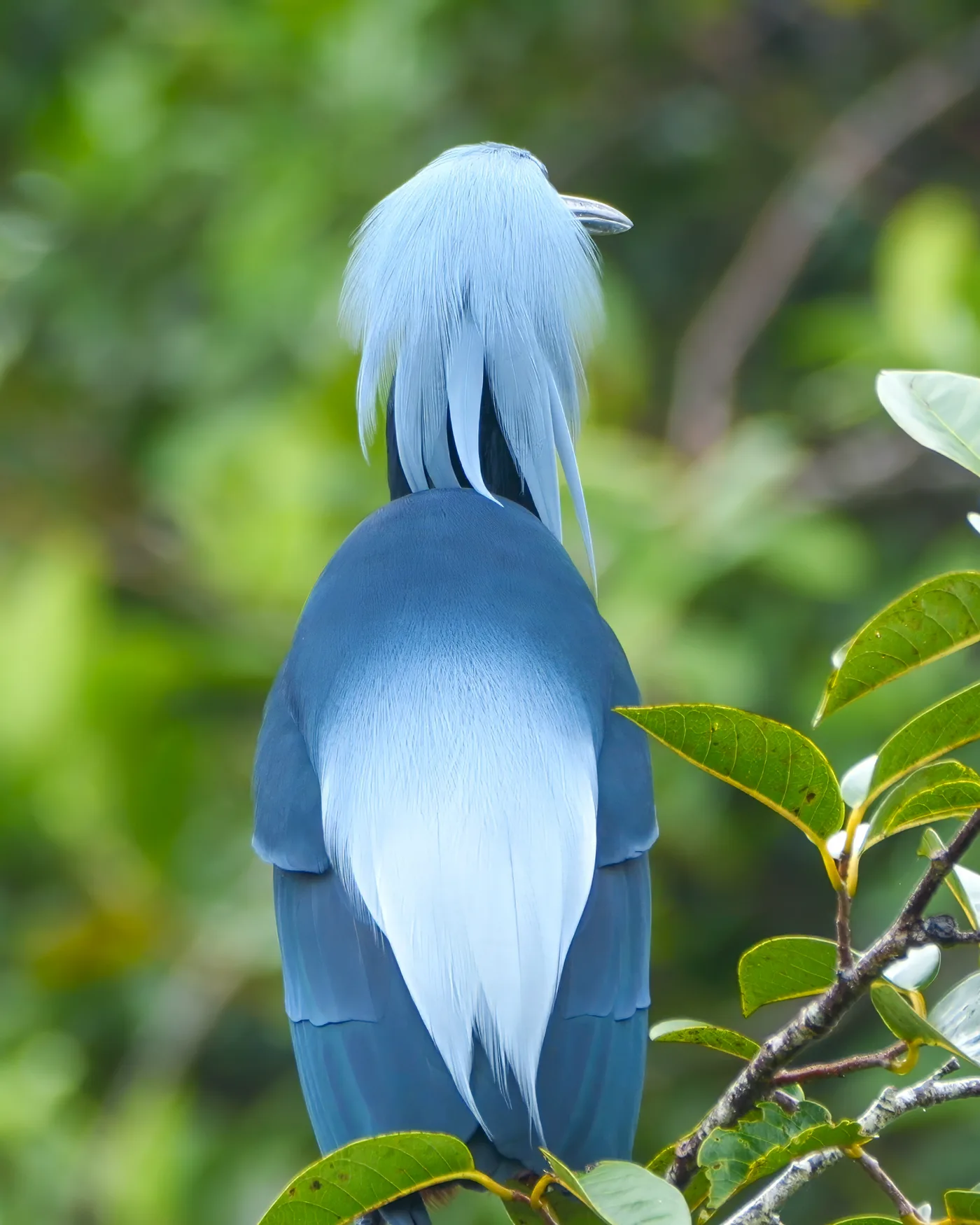
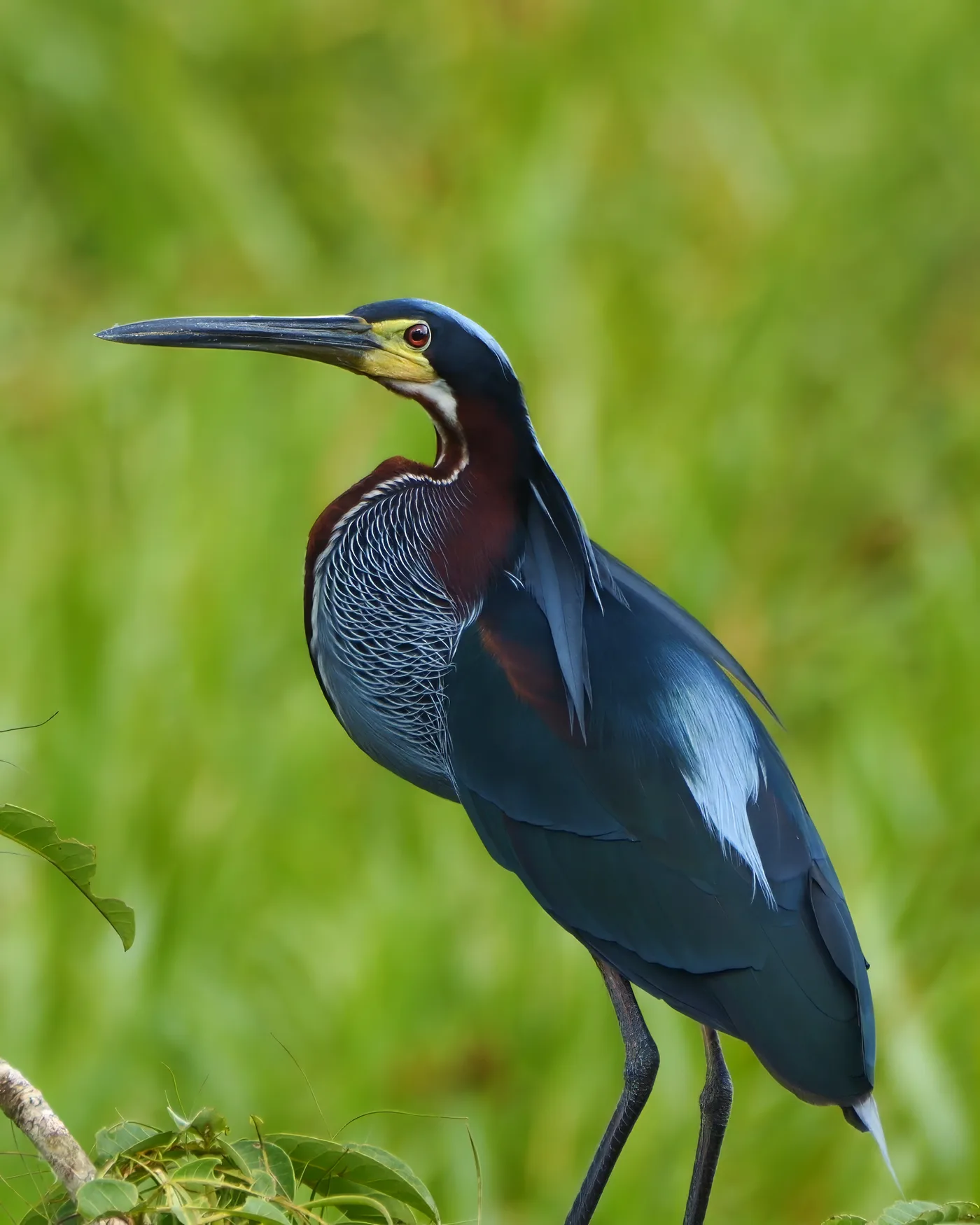
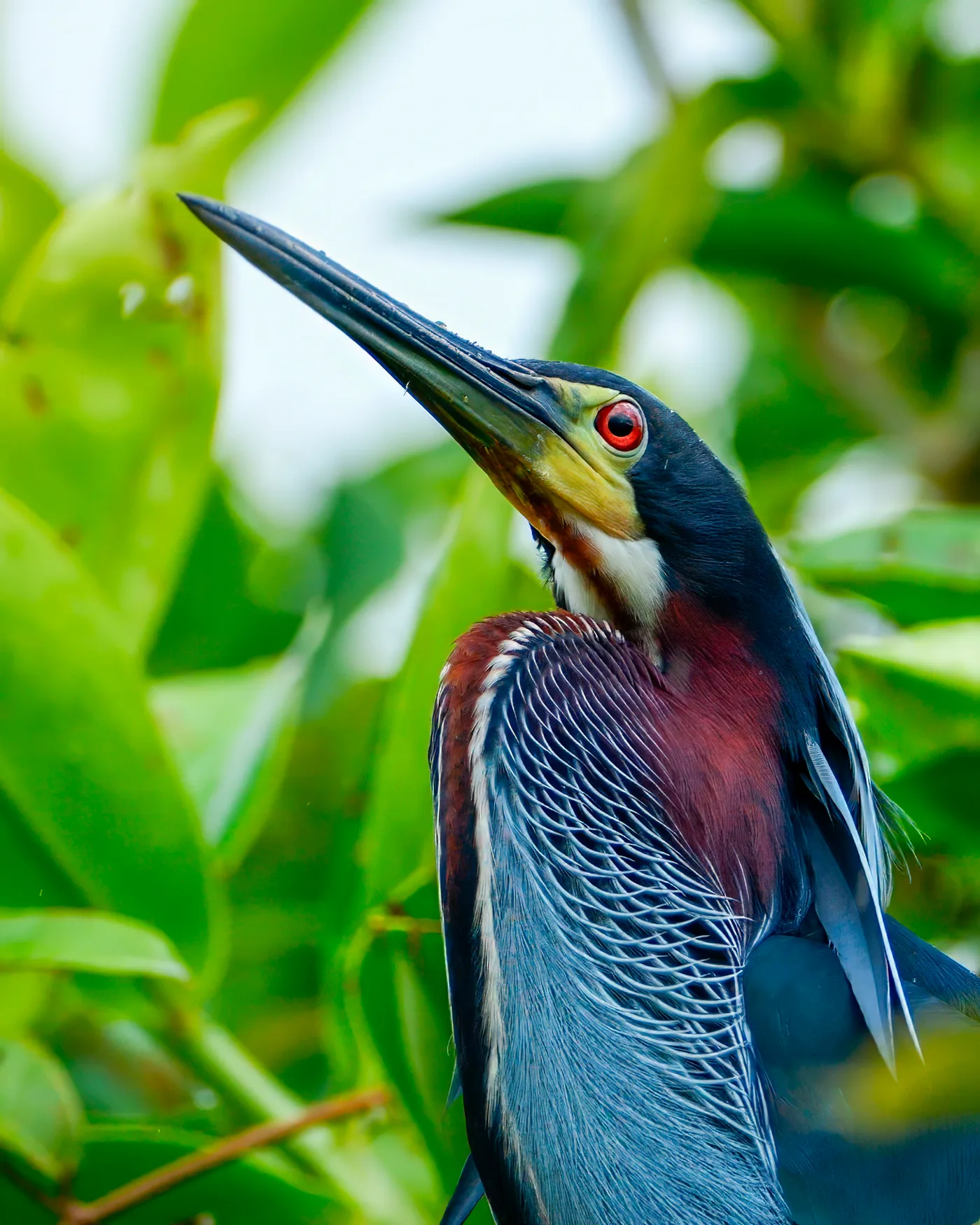
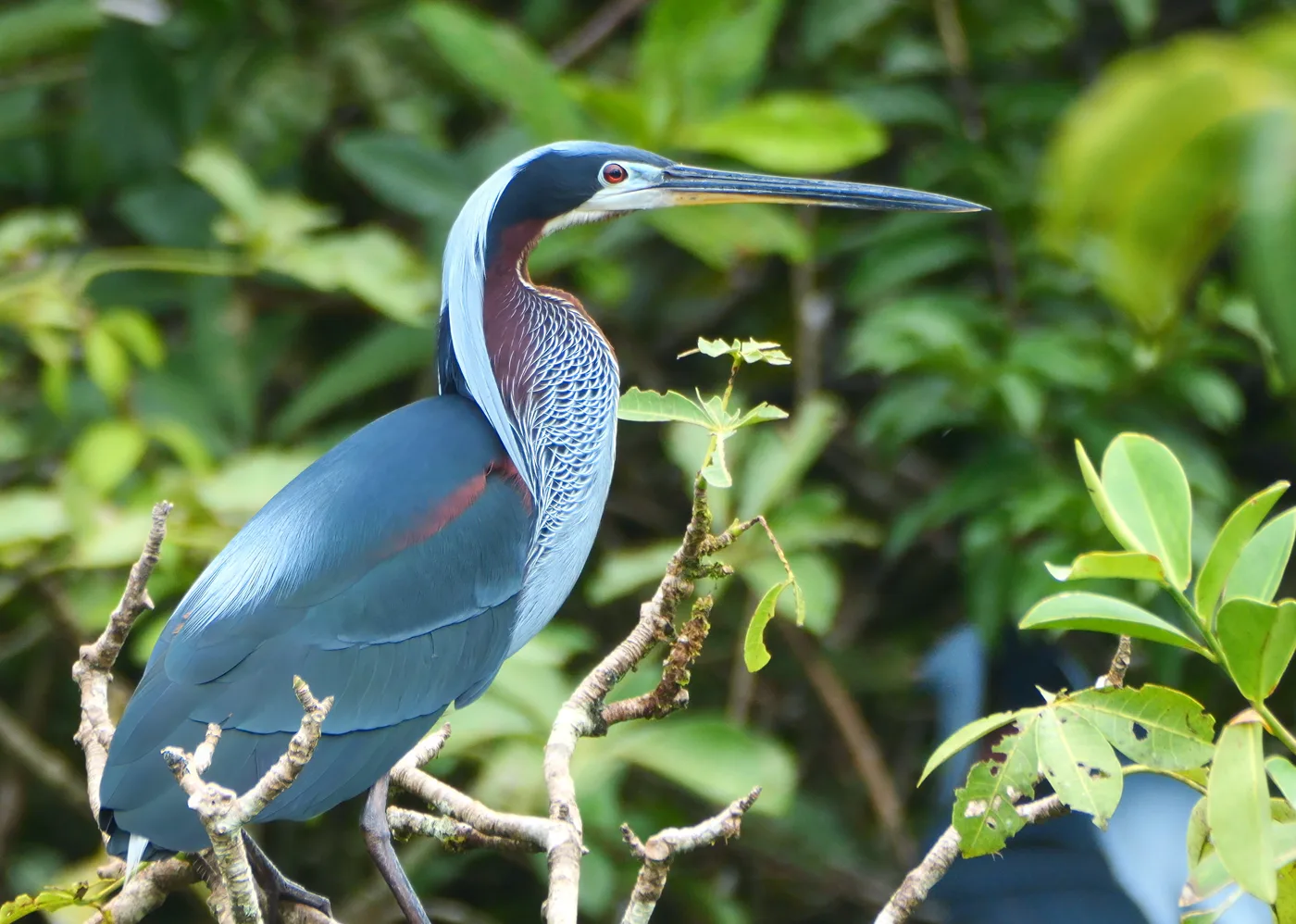
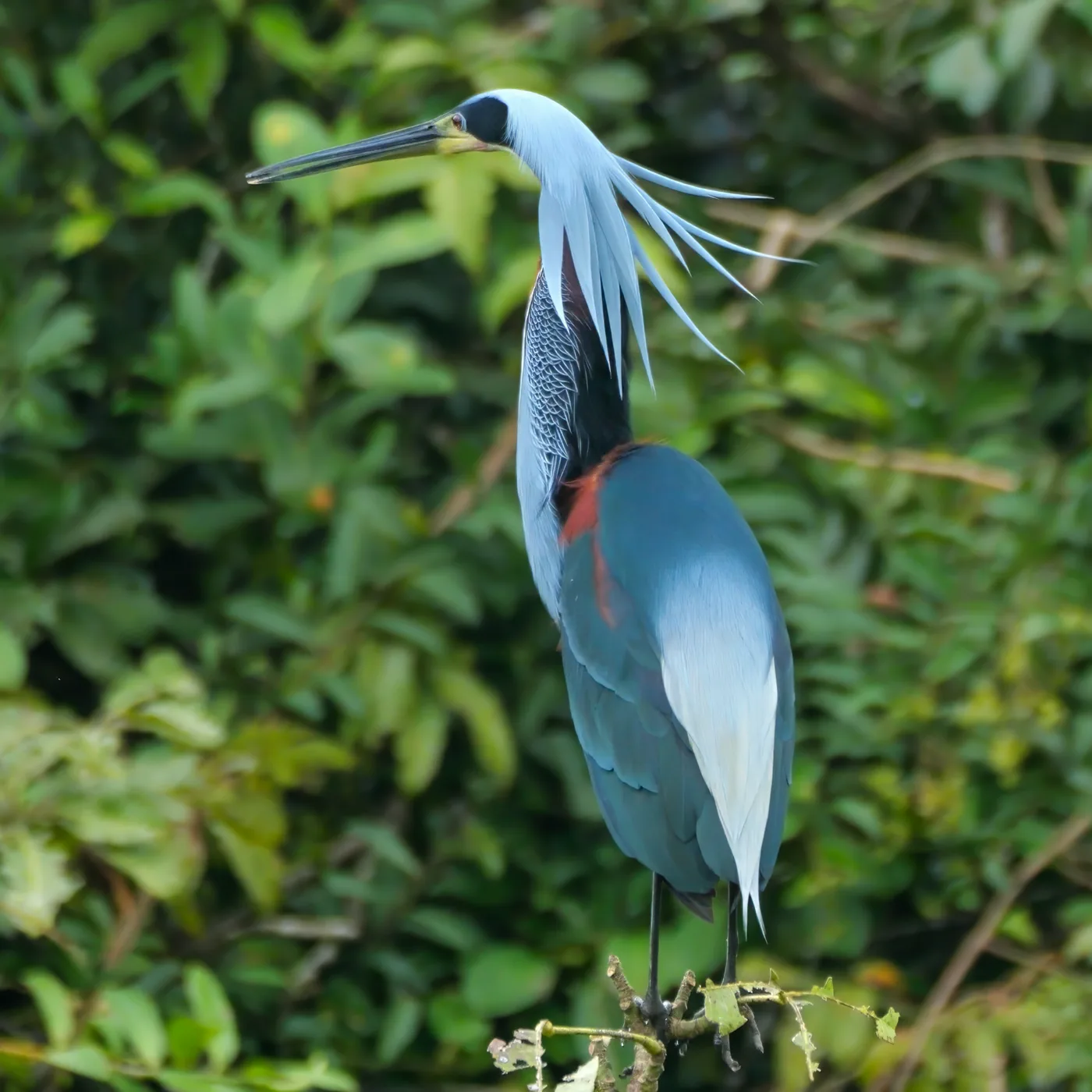
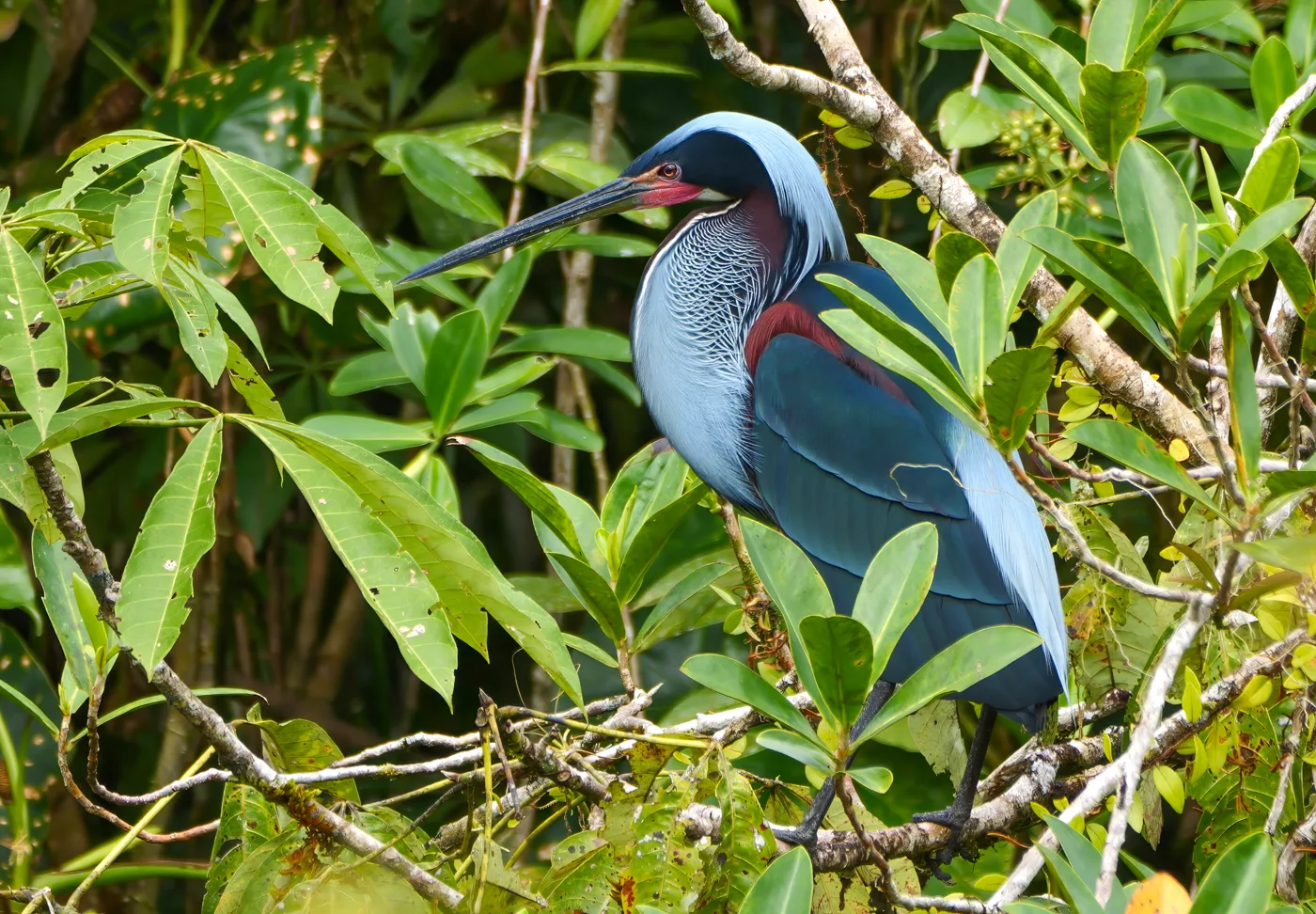
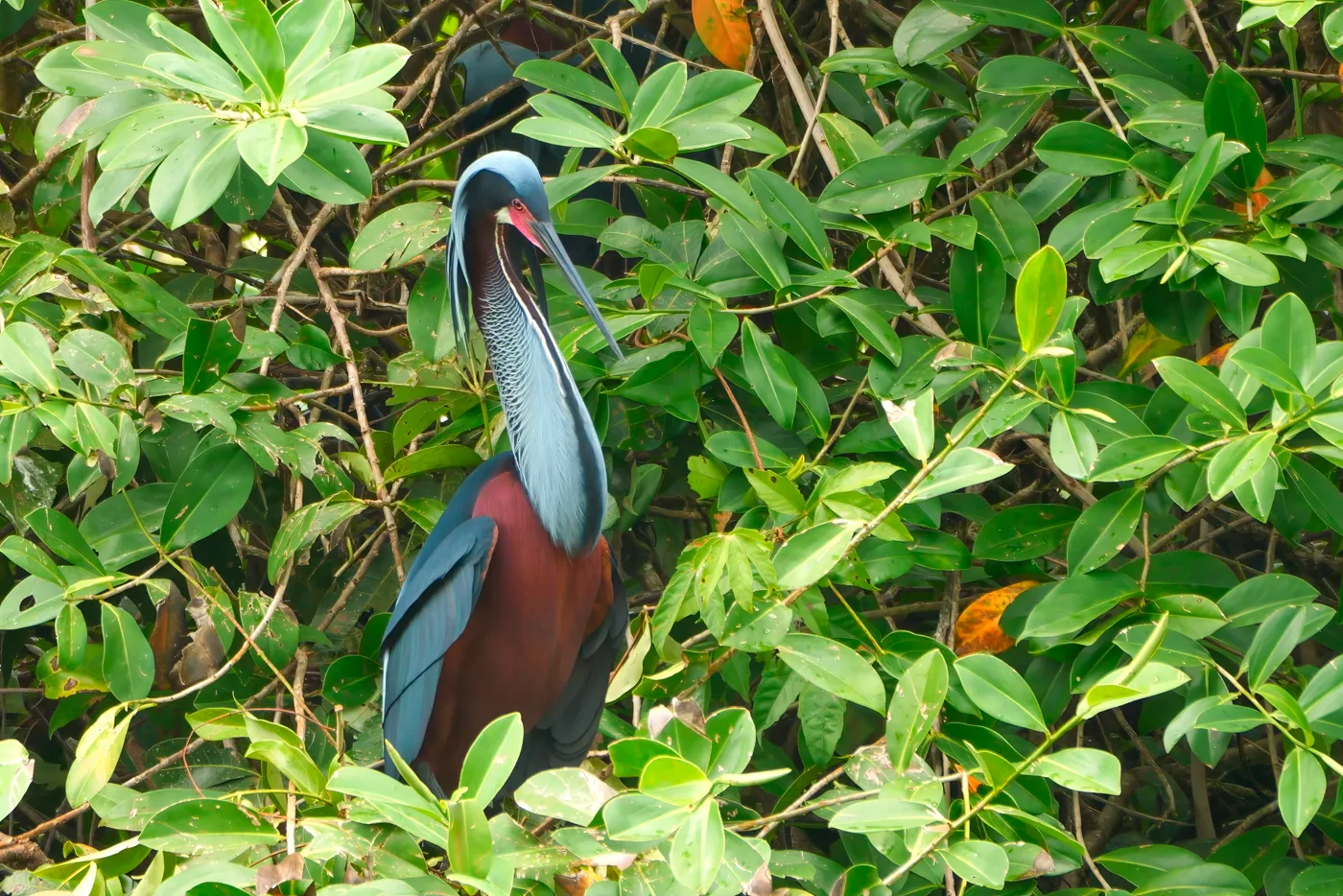
The Agami Heron is an elusive bird species that's desired by many birdwatchers and photographers. If you're lucky enough to find one, it's usually difficult to get a good shot as they love dark, thick wetlands. They are sedentary herons and they can be very challenging to spot.
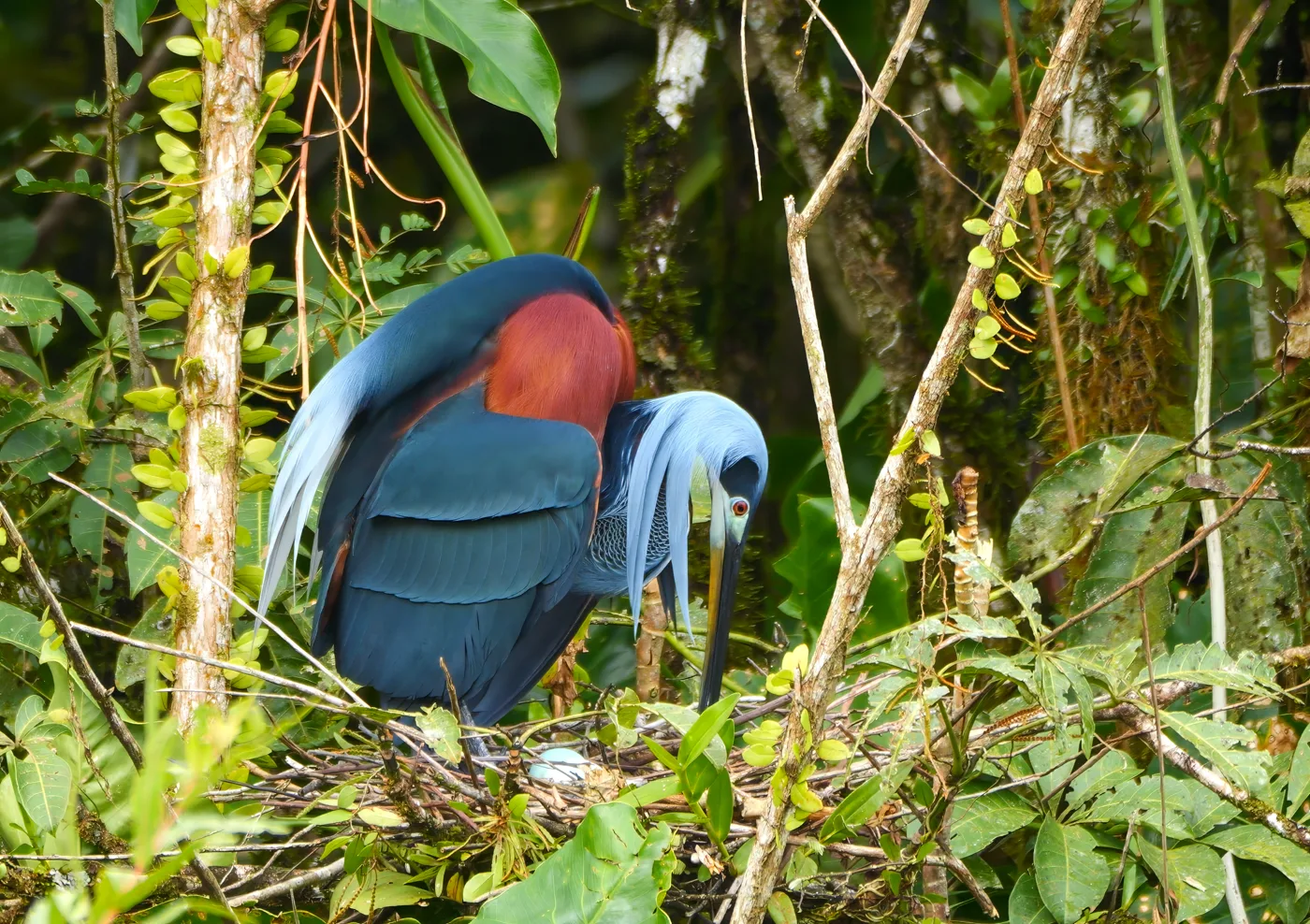
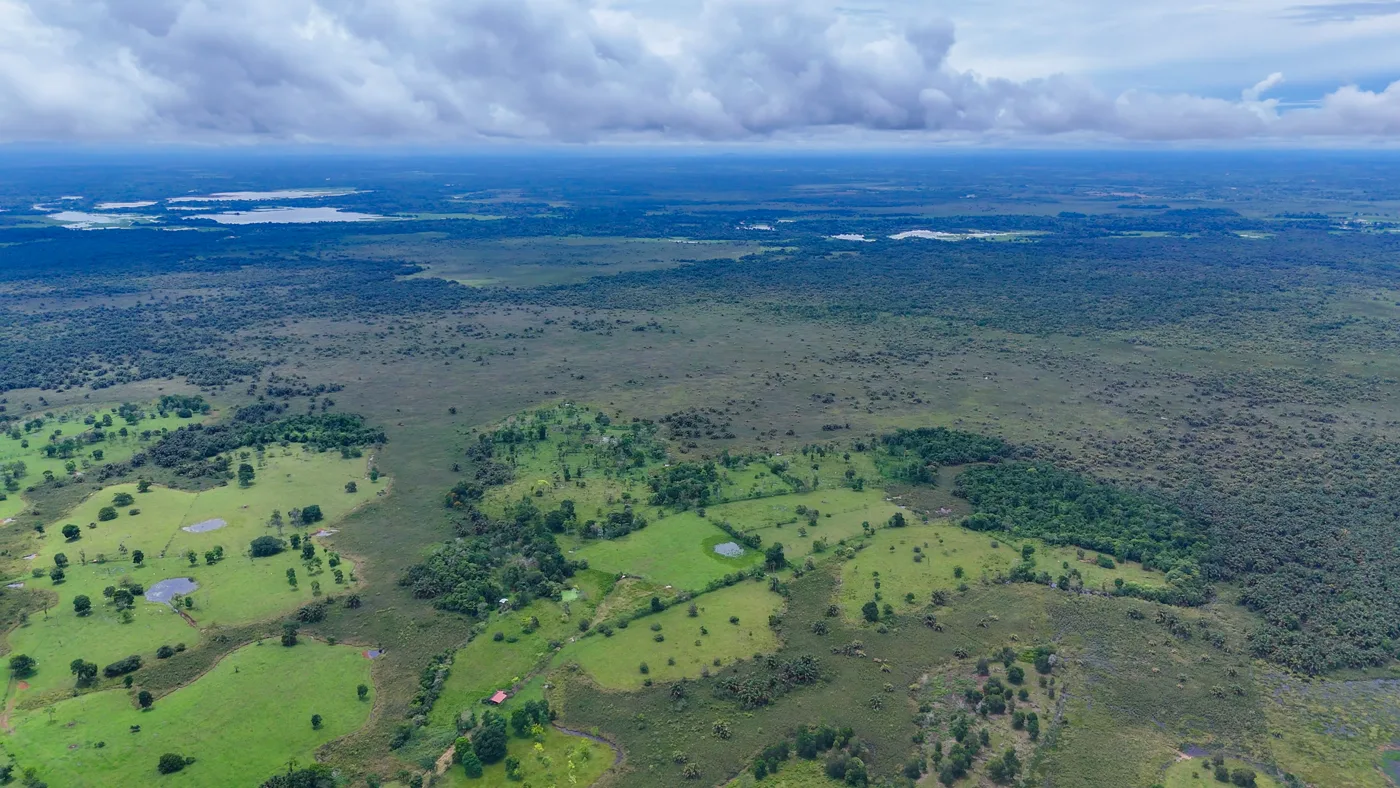
In 2025, a new heronry was found of the Agamis near the town of Katira de Guatuso, about an hour from Bijagua. During the first observed nesting season, the staff of Agami Island counted over 500 nests, making it (most likely) the largest rookery of Agami Herons in the world.
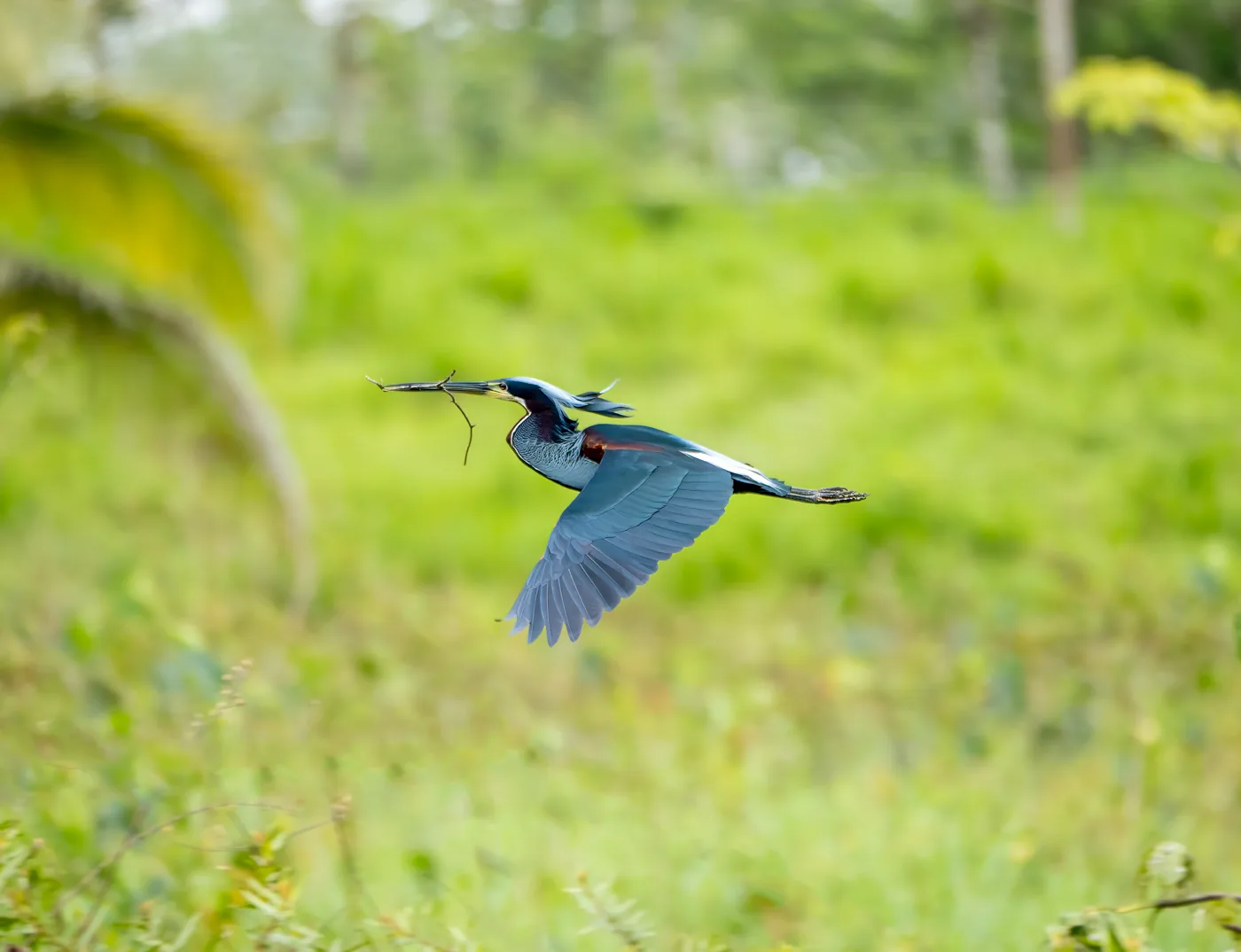
While these birds are typically rare and shy, nesting season at Agami Island is the opposite. When the birds arrive around the first of June each year, there are literally thousands of herons flying around collecting nesting materials, squawking as they defend their nests, and dancing their stately mating dance. It's truly a remarkable sight.
Our tours to Agami Island leave from Bijagua and we'll bird along the way. There are some great species to see on the trip, including Snowy Cotinga, Rufescent Tiger-Heron, Nicaraguan Seedfinch, Nicaraguan Grackle, Striped Cuckoo, and Black-headed Trogon.
Once we arrive at Agami Island, you'll have hours to watch and photograph hundreds of Agamis as they gather nesting material around you, flying along the canals.