Tapir Valley Nature Reserve

The best bird and nature-watching spot in Bijagua, Costa Rica

A Pristine Middle-Elevation Forest

Tapir Valley Nature Reserve is a pristine middle-elevation forest located on the Caribbean slope near Bijagua de Upala, Costa Rica. This protected area spans over 200 hectares of primary and secondary forest, ranging from 600 to 800 meters above sea level, creating a unique transition zone between lowland and highland ecosystems.

This remarkable elevation range makes Tapir Valley one of the most biodiverse areas in Costa Rica, supporting an incredible array of bird species, mammals, reptiles, and amphibians. The reserve's strategic location on the Caribbean slope provides a unique combination of tropical rainforest characteristics, making it an ideal habitat for species from both lower and higher elevations.

In addition, Tapir Valley is unique because it has a diverse range of habitats, including primary and secondary forest, wetland, and grassland. This diversity of habitats supports a diverse range of wildlife, including birds, mammals, reptiles, and amphibians.

Whether you're an experienced birder seeking rare species or a nature enthusiast looking to experience Costa Rica's incredible biodiversity, Tapir Valley Nature Reserve offers an unparalleled opportunity to observe wildlife in a pristine, protected environment.
Tapir Valley Nature Reserve
440+
Bird Species
600-800m
Elevation
200ha
Protected Area

Habitat & Ecosystem

The unique characteristics of Tapir Valley create a rich and diverse ecosystem that supports an incredible variety of wildlife

Transition Zone

The elevation range of 600-800 meters creates a unique transition zone where lowland and highland species coexist. This elevational gradient supports both tropical lowland forest species and montane forest specialists, resulting in exceptional biodiversity.

Primary & Secondary Forest

The reserve encompasses both primary (old-growth) and secondary (regenerating) forest. Primary forest provides critical habitat for specialized species, while secondary forest offers important transitional habitat and supports a different suite of wildlife adapted to edge environments.

Caribbean Slope

Located on the Caribbean slope, the reserve benefits from consistent rainfall and high humidity throughout the year. This creates lush, verdant forests with abundant epiphytes, bromeliads, and diverse plant life that support a wide range of animal species.

Protected Status

As a protected nature reserve, Tapir Valley is managed for conservation and sustainable ecotourism. This protection ensures that the forest ecosystem remains intact, providing critical habitat for endangered species like Baird's Tapir and supporting long-term biodiversity conservation.

Unique Species of Tapir Valley

Tapir Valley Nature Reserve is home to several unique and remarkable species found in this special ecosystem

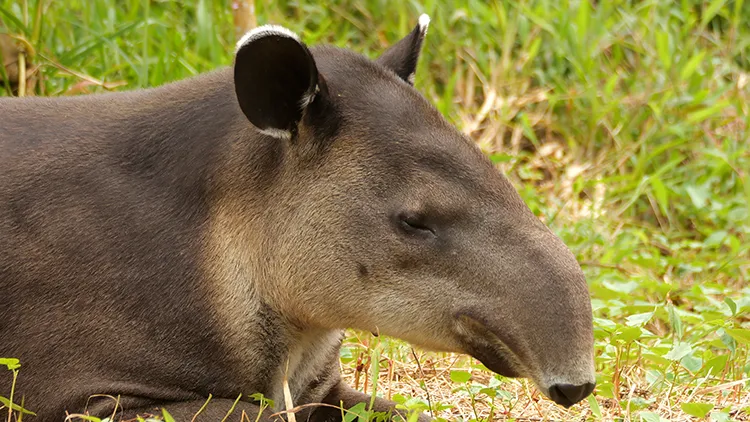
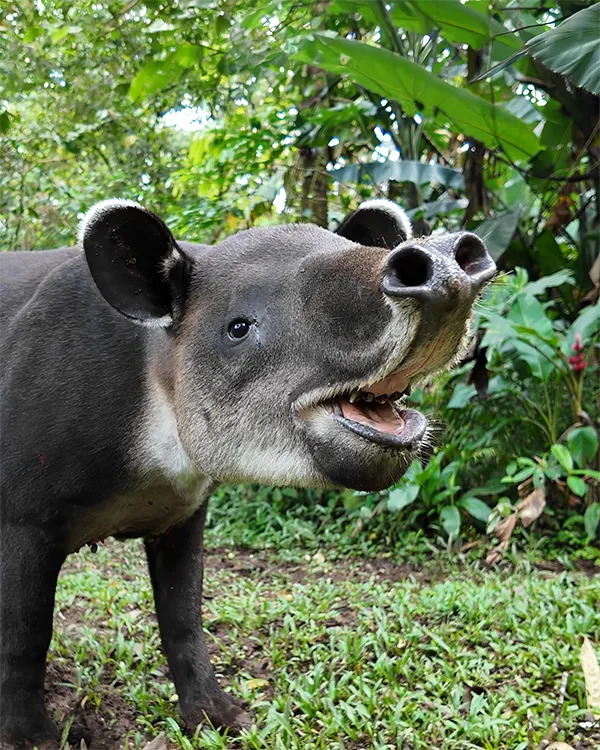
Baird's Tapir

Baird's Tapir

Tapirus bairdii

The largest land mammal in Central America, Baird's Tapir is an endangered species that finds critical habitat in Tapir Valley. These gentle herbivores play a crucial role in seed dispersal and forest regeneration.

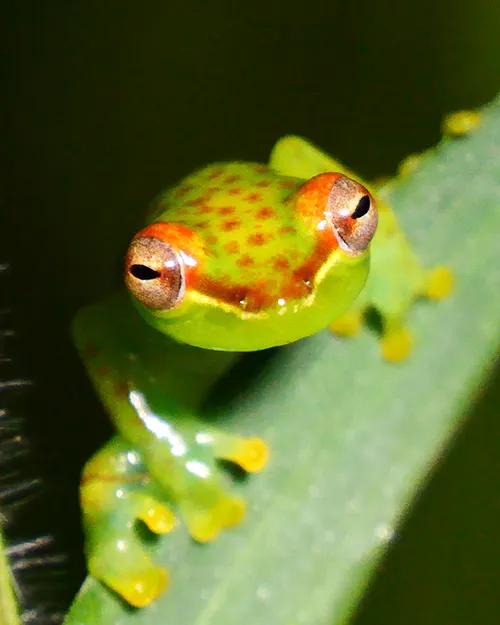
Tapir Valley Tree Frog

Tapir Valley Tree Frog

Tlalocohyla celeste

This beautiful tree frog is a unique species found in the reserve. Named for its discovery location, the Tapir Valley Tree Frog is a testament to the reserve's importance for amphibian conservation.

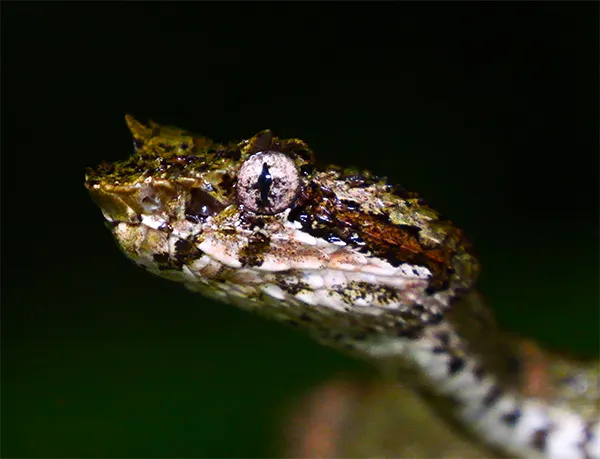
Central American Eyelash-Pitviper

Central American Eyelash-Pitviper

Bothriechis nigroadspersus

This striking arboreal viper is known for the distinctive scales above its eyes that resemble eyelashes. Found in the forest canopy, it's one of the many fascinating reptiles that call Tapir Valley home.

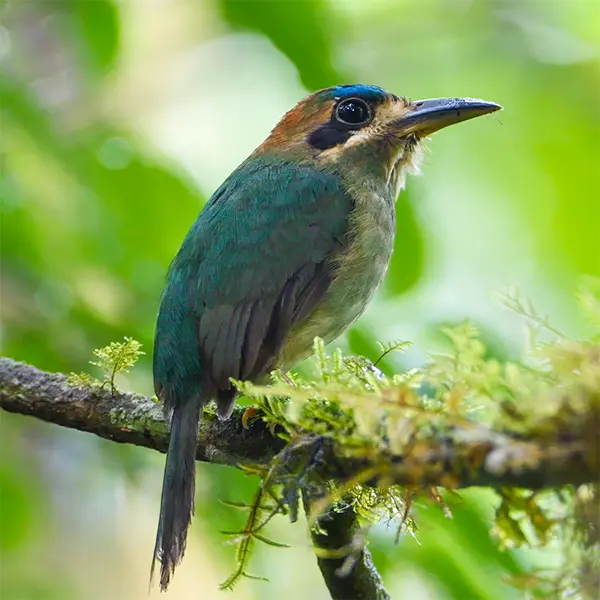
Tody Motmot

Tody Motmot

Hylomanes momotula

The smallest of the motmot family, the Tody Motmot is a charming bird species found in the understory of Tapir Valley's forests. Its distinctive appearance and behavior make it a favorite among birdwatchers.

Experience Tapir Valley

Join us for a guided tour of Tapir Valley Nature Reserve and discover the incredible biodiversity of Costa Rica