Habitats of Tapir Valley

Six diverse habitats creating one of Costa Rica's most biodiverse nature reserves

One of the Best Places to View Wildlife in Costa Rica

Tapir Valley is one of the best places to view wildlife in Costa Rica. While the entire country of Costa Rica is incredibly diverse, at Tapir Valley nearly half of all the Costa Rican bird species have been seen in this 100 hectare nature reserve. 29 of the 53 Costa Rican hummingbirds are found here, and over 33 species of frogs have been seen here during our night tours.

~50%
Costa Rican Bird Species
100ha
Nature Reserve
29
Hummingbird Species
33+
Frog Species

Why is Tapir Valley So Diverse?

Location

Our reserve is located where the Caribbean and Pacific slopes meet, meaning that we get species that are found in both types of habitat.

The elevation plays an important role, as well. Located at about 700 meters above sea level, we see many species that migrate to and from the dry forest of Guanacaste, to the higher cloud forest habitats, or to the wetlands that lie to the north in Nicaragua throughout the year.

Volcan Tenorio

Tapir Valley is nestled perfectly located at the base of Volcan Tenorio, so we're part of the much larger 18,000 hectare Tenorio National Park which is untouched primary forest habitat.

This large, protected area is untouched primary forest habitat that is a reservoir for many endemic species that have been untouched for millions of years.

Habitat Diversity

While many birding spots might consist of one or two types of habitat, Tapir Valley is unique because we have six different types of habitat that attract a variety of species.

This diversity of habitats supports a diverse range of wildlife, including birds, mammals, reptiles, and amphibians.

Six Unique Habitats

Each habitat type at Tapir Valley supports different species, creating an incredible diversity of wildlife
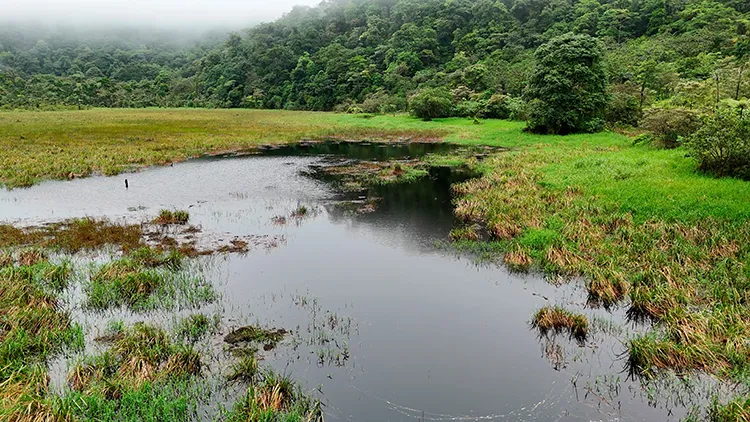
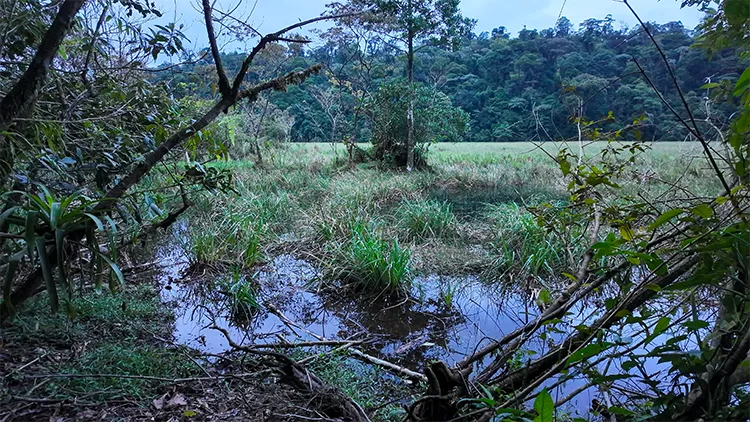
Tapir Valley Wetland Habitat

Wetland Habitat

The wetlands and lagoogn are an important part of why Tapir Valley is so diverse. Much of the world's wetlands have been destroyed by human development, but they provide a critical source of food and water for countless birds, amphibians, and mammals.
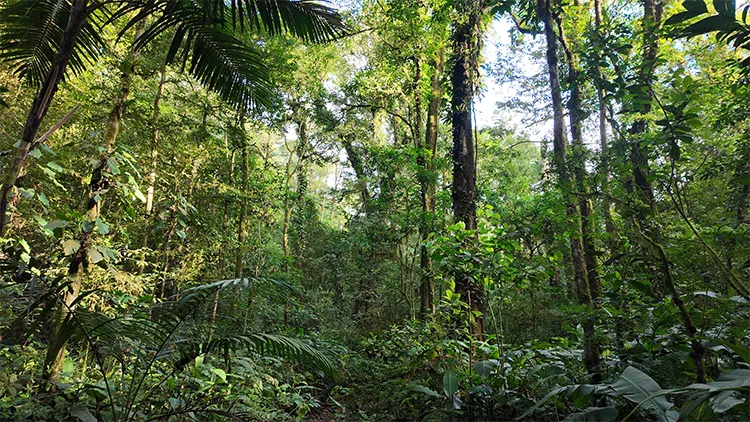
Primary Forest Habitat

Primary Forest Habitat

Primary forest habitat is what you typically think about when you think about Costa Rican rainforests, and the forest here makes up an important part of the nature reserve.
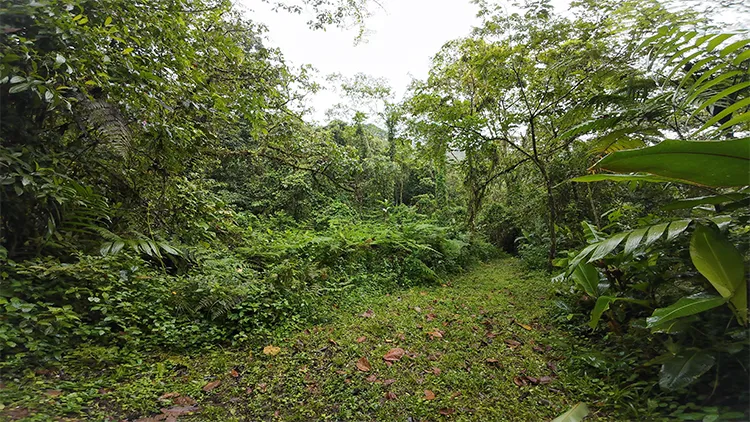
Secondary Forest Habitat

Secondary Forest Habitat

Twenty years ago, Tapir Valley was a cattle ranch and the restoration work here has created a critical secondary forest habitat that many species depend on. We see many species that prefer the secondary forest area here at Tapir Valley.
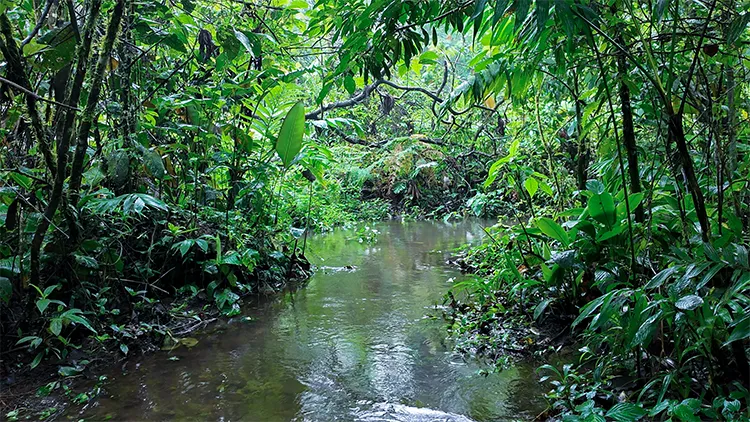
Tapir Valley Riparian Habitat

Riparian Habitat

Riparian habitat is some of the most diverse in the world, and the creek here is fed by year-round springs that provide habitat for White-tipped Sicklebills, Green Kingfishers, and Royal Flycatchers.
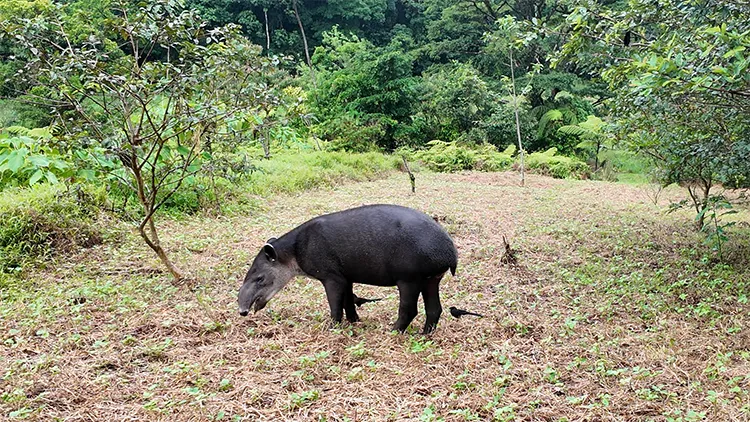
Tapir Valley Grassland Habitat

Grassland Habitat

Grassland habitat in Costa Rica has been mostly lost to agriculture or cattle ranching, and the protected grasses of Tapir Valley provide critical habitat for Baird's Tapirs, many owls and raptors, and songbirds that need open areas.
Forest Edge Habitat

Forest Edge Habitat

Forest edge habitat is also important, as many species prefer these edges where they have protection in the forest, but can move out into more open habitat for hunting or foraging.

Explore Tapir Valley's Habitats

Tapir Valley Nature Reserve is a remarkable place. If you'd like to explore the wildlife here, you can schedule a birdwatching tour, a nature walk, or a night tour during your next Costa Rica vacation.